The use of psychoactive substances is widely recognized as a contributing factor to mental health disorders such as anxiety and depression. These mental health issues, in turn, can significantly impact the management of chronic conditions like diabetes and hypertension, creating a dangerous cycle that threatens both individual and public health.
Stress, emotional instability, and psychological distress often affect crucial health behaviors — such as eating habits, adherence to medical treatment, sleep, and substance use. These behaviors play a fundamental role in the development and management of non-communicable diseases (NCDs).
The Physical Toll of Substance Use on Chronic Illness
Substance use doesn’t just affect the mind — it has serious consequences on the body as well. Drugs like cocaine and amphetamines can cause temporary spikes in blood sugar levels, which are particularly dangerous for people living with diabetes. Alcohol consumption, especially when excessive or uncontrolled, can lead to severe blood sugar fluctuations, making diabetes management more difficult.
Stimulants and other drugs can also raise blood pressure dramatically, heightening the risk of complications in individuals with hypertension. Moreover, long-term substance use can interfere with appetite, disrupt metabolism, and impair one’s ability to follow healthy routines — worsening the outcomes of chronic conditions.
If left unchecked, these effects can lead to serious long-term complications such as cardiovascular disease, kidney damage, nerve damage, and vision loss.
A Proactive Health Campaign in Nyabugete
To address these risks and raise awareness in the community, the Ministry of Public Health and the Fight Against AIDS in Burundi, through the National Integrated Program for the Fight Against Non-Communicable Diseases, partnered with Strong Bridge Center to organize a voluntary screening campaign for diabetes and hypertension.

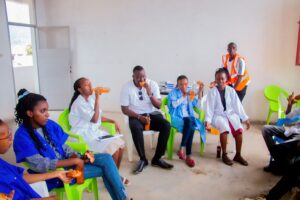
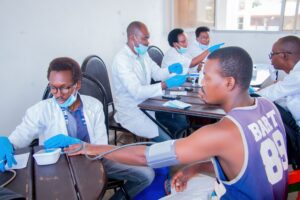
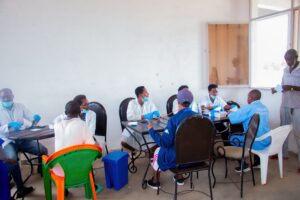
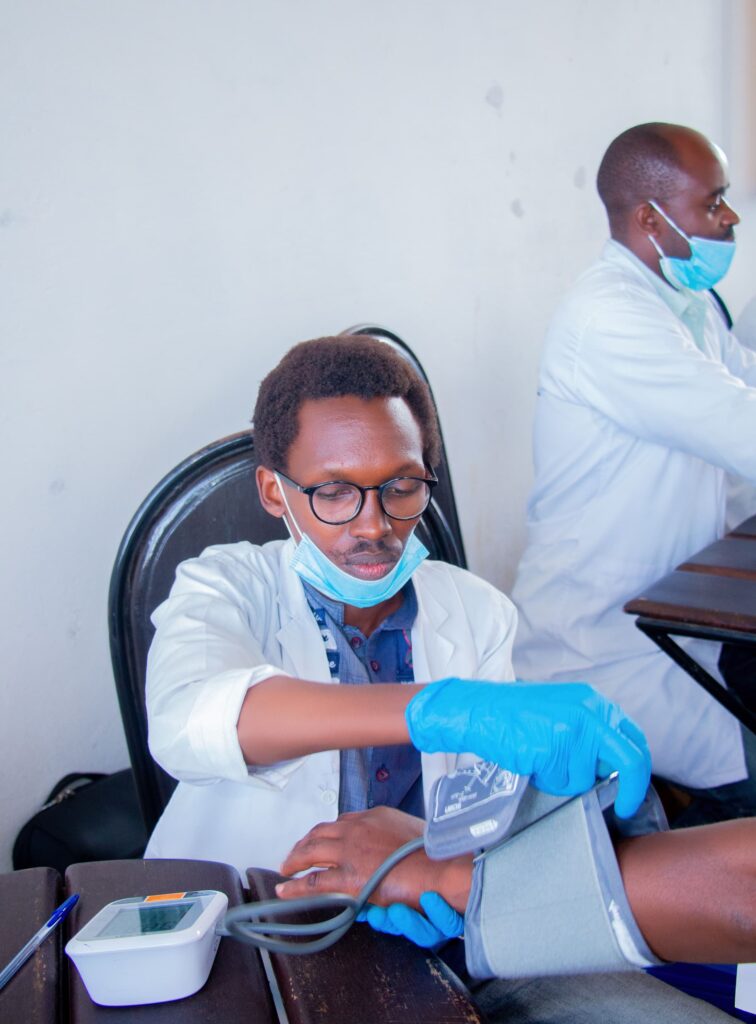
This health outreach took place on Friday, April 4th, 2025, at the Strong Bridge Center in Nyabugete. The event combined free screening services with educational talks on the links between mental health, substance use, and chronic disease.
Key Results from the Screening
A total of 189 individuals were screened during the campaign:
- 136 men and 53 women
- 15 cases of diabetes were identified:
- 11 men
- 4 women
- 14 cases of high blood pressure were identified:
- 10 men
- 4 women
These results highlight a gender disparity, with men showing a higher prevalence of both conditions. This raises further questions about access to care, awareness levels, and health-seeking behavior among men and women — and underlines the need for targeted prevention strategies.
Community Voices and Public Requests
As this was the first campaign of its kind in Nyabugete, the initiative generated a lot of interest and hope. Many participants expressed a strong desire to see this type of screening become regular and widespread, emphasizing the importance of early detection for preventing serious complications.
Several voices from the community also called on the Ministry of Health to ensure immediate access to treatment for those diagnosed during the campaign. Many believe that without proper follow-up, awareness alone is not enough — and they hope for a more integrated response that links education, diagnosis, and direct care.
A Grateful and Engaged Community
The initiative was warmly received by the community. Residents of Nyabugete and neighboring areas expressed appreciation for this accessible opportunity to check their health and receive guidance from trained health professionals.
Beyond diagnostics, the campaign focused on raising awareness and encouraging behavioral changes such as:
- Balanced nutrition
- Regular exercise
- Stress management
- Avoiding harmful substances
- Strict adherence to medical treatment
The combination of education and early detection made this campaign not only a medical intervention, but also a powerful tool for community mobilization and advocacy.
At Strong Bridge Center, we believe that true health is holistic — addressing not only physical conditions, but also the mental and social factors that shape our lives. Together with government partners and health professionals, we’re building a healthier, more informed Burundi.
Article credit: Psychologues Sans Vacances